• Skin care

Skin Purging

Find out why skin purging can occur with new skincare products, how to distinguish it from conventional blemishes and how to prevent it effectively.

Contents

WHAT IS SKIN PURGING?

Skin purging describes a temporary initial worsening of the skin that often occurs after introducing new skin care products. Skin purging can occur especially with active ingredients that promote skin renewal and accelerated cell renewal, such as retinoids, AHA, BHA, and other exfoliants. These active ingredients increase the skin's cell turnover rate, which means that skin cells die faster and are replaced by new ones. This process can lead to an initial skin reaction in which existing impurities come to the surface. Although this phase can be unpleasant, it is often a normal part of the skin's adjustment to new, active ingredients.

WHY DOES SKIN PURGING OCCUR?

The causes of skin purging lie in the biochemical processes of the skin. The use of active ingredients such as retinoids (retinal), acids (AHA, BHA) or other exfoliation products leads to accelerated skin cell renewal. This accelerated cell renewal leads to dead skin cells being loosened more quickly and deeper impurities being brought to the surface of the skin. The result is a temporary worsening of the skin's appearance in the form of spots, blackheads and other blemishes. Unlike common blemishes, skin purging usually occurs within a few days or weeks of introducing a new product and subsides after a few weeks.

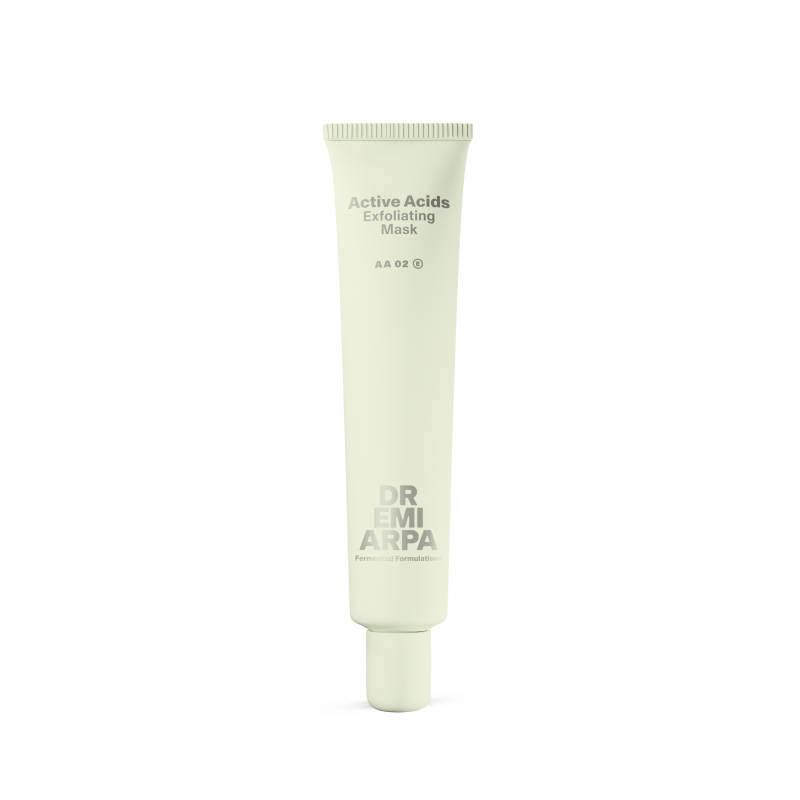
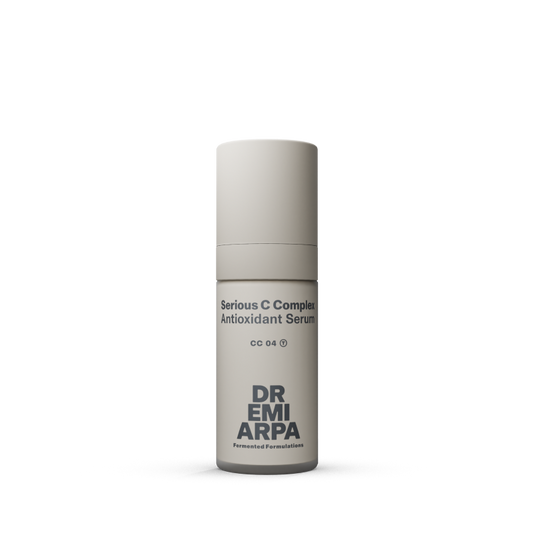
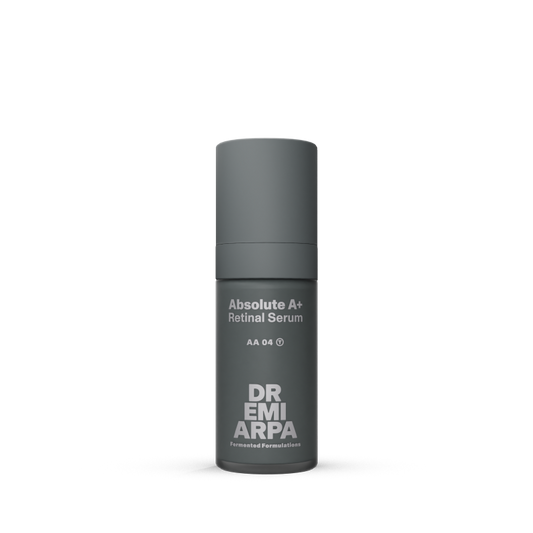
Skincare products containing vitamin C can trigger an initial worsening of skin conditions. Serious C Complex Antioxidant Serum contains effective vitamin C derivatives that are less likely than pure ascorbic acid (vitamin C) to cause an initial worsening of skin conditions. Nevertheless, it is recommended to introduce active ingredient cosmetics gradually, i.e., to slowly incorporate products into your skincare routine. This means using the new product less frequently at first—about every second or third day—to allow your skin to slowly get used to the ingredients. This method minimizes the risk of skin irritation that could result from introducing the product too quickly. Once the skin tolerates the product well, the frequency of use can be gradually increased and the product integrated into the daily routine. Exfoliating toners or serums containing hydroxy acids such as BHA (salicylic acid) can cause a short-term "salicylic acid initial worsening" in some users. Similarly, the skin may initially appear worse after a professional cosmetic cleansing, but this is often a temporary effect. Active Acids Exfoliating Solution contains hydroxy acids of the AHA and BHA classes, among others. These promote skin renewal and can, in rare cases, trigger "AHA purging." Retinal Serums Absolute A and Absolute A+ contain effective ingredients such as encapsulated retinal. This retinoid supports natural skin renewal and can cause an initial skin reaction in some users in the form of a so-called "retinoid purge." This initial worsening often occurs in the first few weeks of use. Niacinamide, known for its skin-regulating and anti-inflammatory properties, can also initially lead to skin blemishes. "Niacinamide newbies" occasionally report so-called "niacinamide pimples," which is a typical reaction to the introduction of a new active ingredient. Similarly, azelaic acid can trigger a temporary purging phase. Other clarifying ingredients can also cause temporary skin blemishes before the complexion visibly improves. One example is benzoyl peroxide (BPO), an active ingredient commonly used in medical products for acne treatment.

TIPS FOR MINIMIZING SKIN PURGING
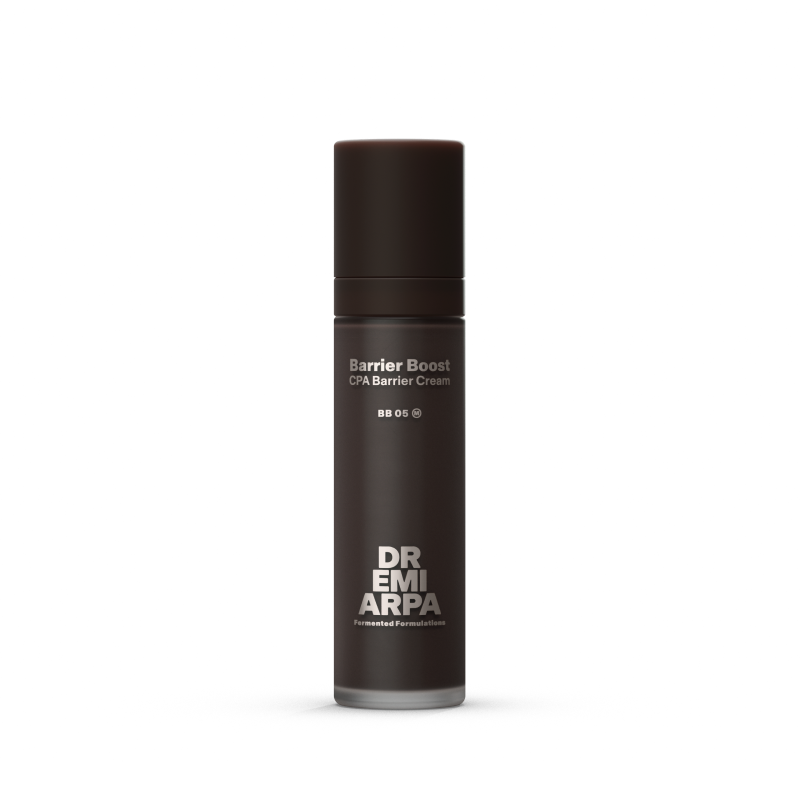
To avoid initial worsening of skin conditions, it is advisable to introduce new products into your skincare routine slowly. Start with lower concentrations of active ingredients and only increase them gradually if your skin tolerates them well. Mild cleansing and a barrier-strengthening cream form the basis of your routine to optimally prepare your skin for the change. During this phase, other potentially irritating ingredients and exfoliating toners should be avoided for the time being so as not to put additional strain on the skin. 

<p>WARUM TRITT SKIN PURGING AUF?</p>

HOW TO RECOGNIZE SKIN PURGING

SKIN PURGING VS. BREAKOUTS: RECOGNIZING THE DIFFERENCES
It can be difficult to distinguish between skin purging and breakouts, as both can show similar symptoms such as pimples and inflammation. However, there are some important differences: Duration: Skin purging is temporary and usually lasts only a few weeks, while normal breakouts can persist longer. Location: Skin purging often occurs in the same areas where breakouts have occurred before, while breakouts can occur in any new areas.Timing: Skin purging typically begins shortly after introducing a new product with cell-renewing ingredients, such as retinoids or hydroxy acids, while skin blemishes (breakouts) can occur at any time. If symptoms persist for more than 6 weeks or worsen, it is advisable to discontinue use of the product and seek dermatological advice if necessary.
SKIN PURGING VS. ALLERGIC REACTIONS: RECOGNIZING THE DIFFERENCES
An important aspect to consider is the distinction between skin purging and an allergic reaction. Allergic reactions often manifest themselves through symptoms such as itching, redness, swelling, and burning. In contrast, skin purging leads to temporary skin blemishes without such symptoms. If, for example, you suspect an intolerance to salicylic acid after using products, which manifests itself in severe redness or itching, you should seek professional help from a dermatologist.

SKIN PURGING VS. PERIORAL DERMATITIS RECOGNIZING THE DIFFERENCES
Perioral dermatitis is a skin condition characterized by red, inflamed rashes around the mouth that may be accompanied by burning and itching. Unlike skin purging, perioral dermatitis is a chronic skin condition that requires targeted treatment. It is important to correctly identify the two skin conditions in order to choose the right care or treatment.

HOW LONG DOES SKIN PURGING LAST AND WHEN SHOULD YOU BE CONCERNED?
The duration of skin purging varies, but usually lasts between two to six weeks. If your skin does not improve after this time or if the blemishes persist for longer than six weeks, this could be an indication that the product is not suitable for your skin and should be discontinued. If skin problems persist, it is advisable to seek professional help from a dermatologist.

KEY TAKEAWAYS

Skin purging is a temporary worsening of the skin that often occurs when new, active skincare products such as retinoids, AHA, BHA, or vitamin C are introduced into the routine. These active ingredients promote accelerated skin cell renewal and can cause existing impurities to come to the surface more quickly. It is important to distinguish skin purging from normal skin blemishes and allergic reactions, as it is temporary and appears in specific areas, while allergic reactions can cause itching and redness. To minimize the intensity of the initial worsening, new products should be slowly integrated into the skincare routine and mild, moisturizing skincare products should be used. Products from DR. EMI ARPA SKIN, such as Absolute A Retinal Serums and Serious C Complex Antioxidant Serum, may trigger skin purging in some people due to their active ingredients. If skin problems persist or you are unsure whether it is skin purging, professional help from a dermatologist should be sought.

FAQ

Skin purging usually appears shortly after the introduction of a new product with active ingredients that accelerate skin renewal, such as retinoids, AHAs or BHAs. It often occurs in areas where the skin has already had blemishes and the symptoms usually subside within a few weeks.

If you suddenly have worse skin after introducing a new skincare product, it could be skin purging. This is a normal reaction of the skin as it adapts to the new active ingredients. The skin may appear uneasy at first before improving.

Yes, this can be normal if you are using a new product that stimulates skin renewal. Suddenly having lots of small pimples on your face could indicate skin purging, especially if the product contains ingredients such as retinoids, vitamin C, AHA or BHA.

An initial aggravation of the skin with daily use of salicylic acid (BHA) can occur in the first few weeks of use and usually lasts 2 to 6 weeks. If the skin continues to react strongly afterwards, there may be an intolerance.

Don't forget: Retinoids such as high-dose retinol and retinal make the skin more susceptible to sun damage such as sunburn, hyperpigmentation, and signs of aging. Therefore, always apply sunscreen (at least SPF 30, preferably SPF 50) when using retinal—even in fall and winter.

The skin renews itself approximately every 28 days, but this process can vary depending on age, skin type and products used. Active ingredients that accelerate cell renewal, such as retinoids or AHAs, can enhance this process.

Skin regeneration can also take around 28 days, depending on individual factors such as skin care, age and environmental influences. This process can be accelerated with active ingredients, which can lead to skin purging.

The skin usually needs 4 to 6 weeks to become fully accustomed to new skincare products. During this time, skin purging may occur, especially with products containing active ingredients.

Skin purging is usually characterized by a temporary deterioration of the skin, which subsides after a few weeks. Intolerance, on the other hand, is indicated by persistent symptoms such as severe redness, itching or burning. If these symptoms persist for longer than 6 weeks, the product should be discontinued and professional help from a dermatologist should be sought.