
• Skin care

Everything You Need to Know About pH

The pH value of our skin may be a small, invisible factor, but its effect on skin health is immense. It determines how well the skin is protected from external influences and whether active ingredients can unfold their full effect. Are you looking for pH-neutral skin care products that keep the pH value in balance?

Contents

WHAT IS THE PH VALUE?

The pH value describes the acid-base ratio of a solution and indicates how acidic or alkaline it is. It is measured on a scale from 0 to 14, where 7 is neutral, values below 7 are considered acidic and values above 7 are considered basic or alkaline. The skin usually has an acidic pH value between 4.1 and 5.8 - this is the so-called physiological pH value of the skin. A stable, acidic pH value promotes the activity of important enzymes in the skin that are responsible for renewing skin cells and maintaining the skin barrier. It also supports the function of the hydrolipid mantle, also known as the acid mantle. The hydrolipid mantle consists of a mixture of sebum, sweat and dead skin cells and protects the skin from environmental influences, bacteria and dehydration.

THE IMPORTANCE OF PH FOR THE SKIN MICROBIOME
The pH value of the skin is essential for the function of the acid mantle, which not only protects the skin barrier but also regulates the microbiome. An acidic pH value (4.0 to 5.8) supports the growth of beneficial bacteria such as Staphylococcus epidermidis and Cutibacterium acnes, which contribute to the production of antimicrobial peptides. These keep harmful microorganisms at bay and prevent infections. If the pH value rises above 7, the balance is disturbed and pathogenic bacteria such as Staphylococcus aureus can grow more easily. A stable, acidic pH value promotes skin renewal, strengthens the barrier function, and protects against inflammation and infections.

THE ROLE OF PH IN SKIN HEALTH
The acid mantle is more than just a barrier. It is a sophisticated buffer system in the uppermost layer of the skin that promotes the structural stability of the skin, regulates the microbiome, and counteracts inflammation by maintaining an acidic environment. A stable, acidic pH is crucial for maintaining the integrity of the skin barrier. Fluctuations in pH can not only impair the skin's barrier function, but also exacerbate dermatological conditions.

THE PH OF THE SKIN IN DIFFERENT AREAS OF THE BODY
Did you know that the pH value of the skin can vary depending on the area of the body? The pH value on the face is often lower than on the arms or feet, as the face is more exposed to environmental influences such as UV radiation or dirt particles and the skin here is more sensitive. The pH value of the skin on the body can be influenced by various factors, such as clothing, sweat, or care products.

CHANGES IN PH VALUE WITH AGE
With age, not only does the condition of the skin change, but so does its pH value. Studies show that the pH value of the skin tends to increase over time and often has a higher, i.e. less acidic, pH value in old age. This is because the skin becomes drier with age and produces less sebum, which can lead to a disturbed hydrolipid mantle. An increased pH value can weaken the skin barrier, leading to dryness, irritation, and an increased risk of skin diseases. The use of pH-neutral products and moisturizing care products is therefore particularly recommended in old age to support the skin's natural acid protection.

CLEANSING AND ITS EFFECT ON THE SKIN'S pH VALUE

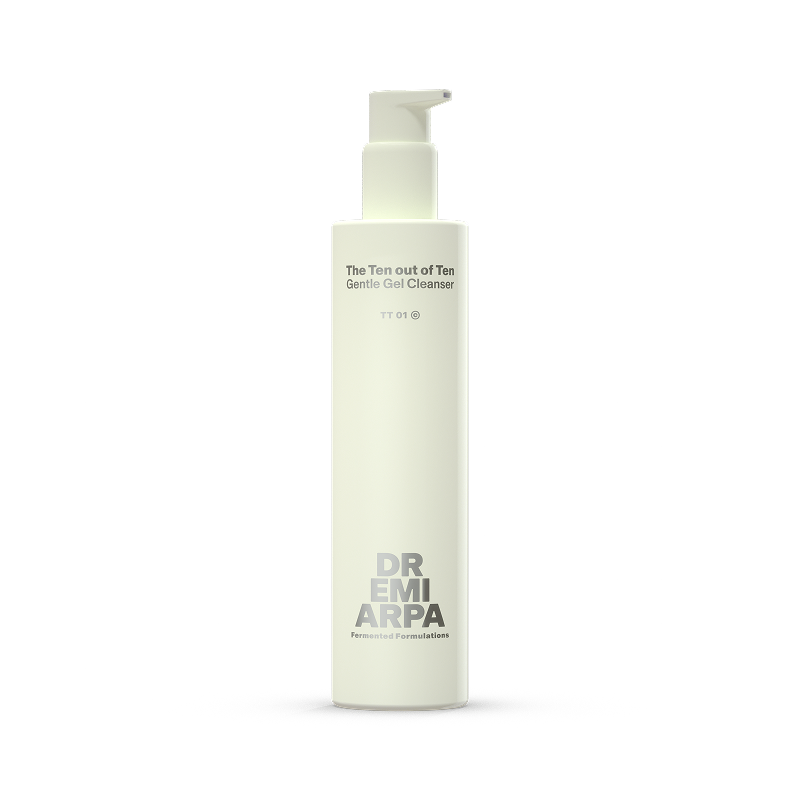
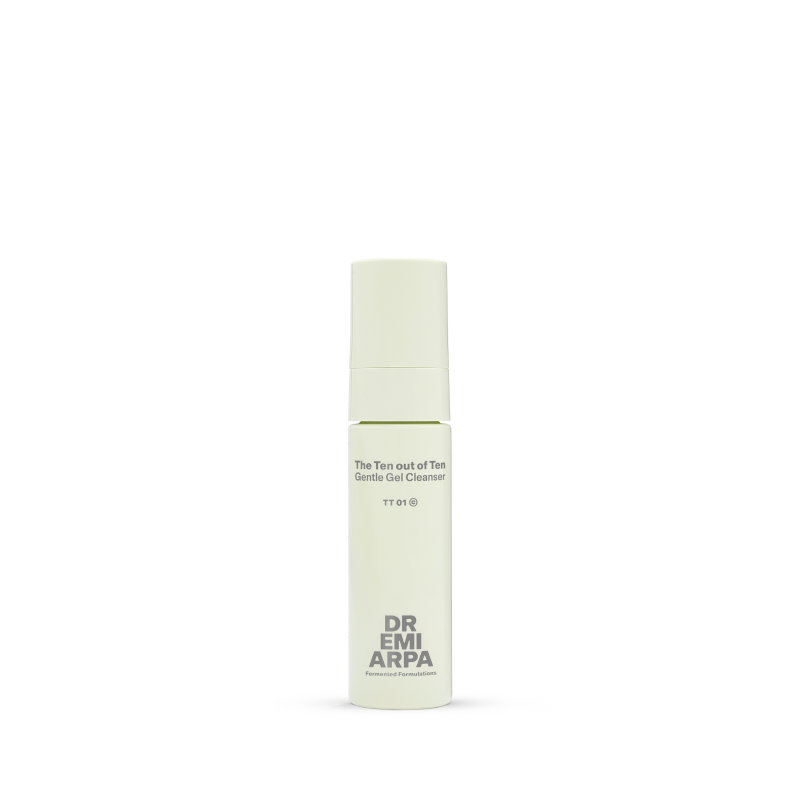
Mild cleansing is particularly recommended to preserve the skin's natural pH value. Simply coming into contact with water can impair the skin's acid mantle, as tap water is usually slightly alkaline. In addition, aggressive surfactants or alkaline cleansing products can disrupt the skin's pH value and make it more susceptible to irritation. The Ten out of Ten Gentle Gel Cleanser from DR EMI ARPA SKIN, with a skin-neutral pH value of around 4.9, offers gentle cleansing that supports skin health and preserves the natural balance of the acid mantle and thus the skin barrier.

BENEFITS OF A LOW, INCREASINGLY ACIDIC pH VALUE

A low skin pH (4.0 to 4.5) supports the skin’s commensal bacterial flora and prevents the penetration of pathogenic microorganisms—bacteria that can cause diseases or skin infections. According to reports, a higher pH (8.0 to 9.0) actually promotes the growth of pathogenic bacteria. The acids produced by bacteria also contribute to local protective mechanisms. For example, Staphylococcus epidermidis, Cutibacterium acnes, Pityrosporum ovale, and Corynebacteria use lipases and esterases to break down triglycerides into free fatty acids. This leads to a lower pH on the skin’s surface, thereby creating an unfavorable environment for pathogenic bacteria—the skin’s acid mantle.

Furthermore, an acidic skin pH also promotes the production of natural antimicrobial peptides, supports wound healing, and regulates the process of keratinization and desquamation. The skin flora also produces protein- or lipid-containing antibacterial compounds known as bacteriocins. These bacteriocins are involved in controlling and regulating bacterial competition for survival in this microenvironment. One example is the bacteriocin Pep 5 produced by S. epidermidis, which is particularly active against other staphylococci, especially S. aureus. Interestingly, the skin’s acidic pH enhances the activity of these antibacterial lipids and peptides, possibly through improved interaction with the bacterial membrane.

WHAT HAPPENS WHEN THE PH VALUE OF THE SKIN IS DISTURBED?

The skin's natural protective acid mantle can be disrupted by external influences such as aggressive washing (e.g. by rubbing vigorously or washing too often), UV radiation or alkaline products such as classic soaps. Classic soaps, such as curd soaps, usually have a high pH value of around 9 to 10, which is significantly more alkaline than the skin's natural pH value. This increases the pH of the skin, which can lead to dryness, irritation and an increased risk of infection. Studies have shown that the skin needs up to several hours to restore its natural pH value after contact with alkaline water or aggressive surfactants.

When the skin’s pH becomes unbalanced, this is referred to as a disruption of the skin’s acid mantle. In such cases, it is important to restore the skin’s pH balance. This can be achieved by using pH-skin-neutral products that maintain the pH within the physiological range—for example, at a pH of 5. pH-skin-neutral face creams or pH-skin-neutral cleansing gels can also help restore the skin’s protective barrier. pH-neutral means that a product has a pH value of 7.0, which is considered neutral on the pH scale—neither acidic nor alkaline. pH-skin-neutral refers to products that support the skin’s physiological pH level—that is, products with a pH value of approximately 4.1 to 5.8—in order to preserve the skin’s natural acid mantle. The term “skin-friendly pH” is also frequently used. While “pH-neutral” is often mistakenly considered skin-friendly, “pH-skin-neutral” is more accurate and tailored to the skin’s needs.

CAN THE PH VALUE OF THE SKIN BE RESTORED?

Yes, the pH value of the skin can be brought back into balance with the right care. Look for mild, pH-neutral products that do not attack the hydrolipid mantle, such as a pH-neutral cleansing gel. These products help to strengthen the acid mantle and repair the skin barrier. An optimal pH value is around 5, and many modern skincare products are formulated precisely to this value in order to keep the skin in its natural balance.

PH VALUES OF DR. EMI ARPA SKIN PRODUCTS
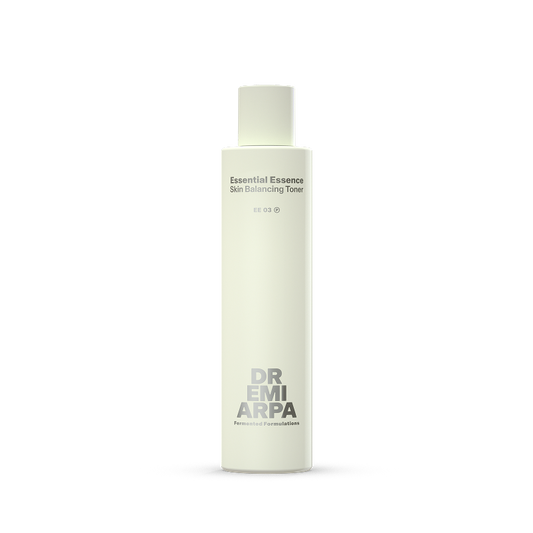
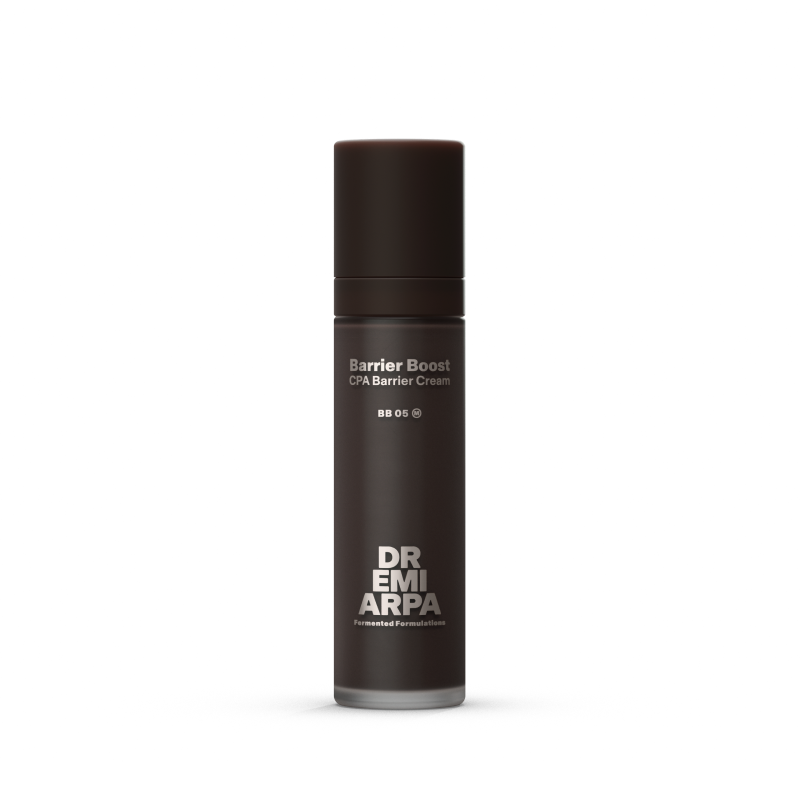
To support the microbiome and pH value of the skin, the Core Collection from DR. EMI ARPA SKIN offers an optimal skincare routine for all skin types, as the products have a skin-friendly pH value between 4.1 and 5.8. The Ten out of Ten Gentle Gel Cleanser has a pH value of 4.9, which balances the alkaline effect of water and gently cleanses the skin. The Essential Essence Skin Balancing Toner restores the skin's balance after cleansing with a pH value of 4.5, while the Barrier Boost CPA Barrier Cream with a pH value of 4.4 strengthens the skin barrier and provides long-lasting protection.

3 TIPS TO UNDERSTAND AND PROTECT THE SKIN'S PH VALUE

Know the pH scale and the pH value of the skin

The pH scale ranges from 0 to 14. A neutral value is 7, anything below that is acidic, anything above that is alkaline. The skin is slightly acidic, with an ideal pH value between 4.1 and 5.8. This knowledge helps you choose products that support the skin's natural pH value.


Protect your skin's acid mantle

The skin has a natural protective film (acid mantle) that stabilizes the pH value and protects the skin. External factors such as aggressive cleaning products, hot water, and environmental pollution can disrupt this. Avoid such influences to keep the skin barrier intact.


Choose pH-neutral products

When buying cosmetic products, look for mild formulas that do not upset the skin's pH balance too much. Choose pH-neutral or slightly acidic products to preserve your skin's natural protection.

KEY TAKEAWAYS
The pH value of the skin is crucial for skin health, as it stabilizes the acid mantle and supports the skin microbiome. Cosmetic products should be tailored to the skin's natural pH value in order to support the functionality of the hydrolipid mantle. Alkaline products, such as traditional soaps, can disrupt this natural, slightly acidic pH value and lead to dryness or irritation. Especially with age, it is important to stabilize the pH value with the right care, as the skin's pH value tends to rise and the skin becomes more sensitive.

FAQ

The pH value is becoming increasingly important in skin care. This is because many active ingredients, such as acids or antioxidants, are particularly effective in a certain pH range. Acids, such as alpha hydroxy acids (AHA), only develop their full effect in an acidic environment. A pH value that is too high, i.e. alkaline, can reduce the effect of acids or even render them ineffective. It therefore makes sense for manufacturers to specify the pH value or pH range of their products so that consumers know the pH range of the formulation and whether it is ideal for the desired effect.

The skin's pH value is normally between 4.1 and 5.8, which is slightly acidic. This value is crucial for the function of the acid mantle, which protects the skin from harmful microorganisms and environmental influences.

"pH neutral" refers to a pH value of 7, which is neither acidic nor alkaline. In skin care, however, the term does not necessarily refer to skin health, as the skin's pH value is rather acidic. Here it would make sense to look out for products that describe themselves as "pH skin neutral".

The pH value of the skin is usually measured with a pH meter in clinical studies and test centers, as the pH value can only be determined in solution. Devices such as the Skin-pH-Meter PH 905 (Courage + Khazaka electronic GmbH) enable a quick and precise measurement of the pH value directly on the skin surface.

The acid mantle is a thin film on the skin that consists mainly of sebum, sweat and dead skin cells. It has a slightly acidic pH value and protects the skin from bacteria, fungi and environmental damage.

If the skin's pH value is out of balance, e.g. due to alkaline products, pH-neutral products or mild, acidic products help to restore the skin's natural pH value. Completely neutralizing the skin is not desirable as the skin's pH is slightly acidic and not neutral.

A pH value that is too high can dry out the skin and impair the barrier function. Use pH-neutral or slightly acidic skin care products (pH value 4.1-5.8) to support the acid mantle and soothe the skin.

Alkaline or alkaline means that a substance has a pH value above 7. Such substances can dry out the skin and disrupt the acid mantle, which is why they should often be avoided in skin care.