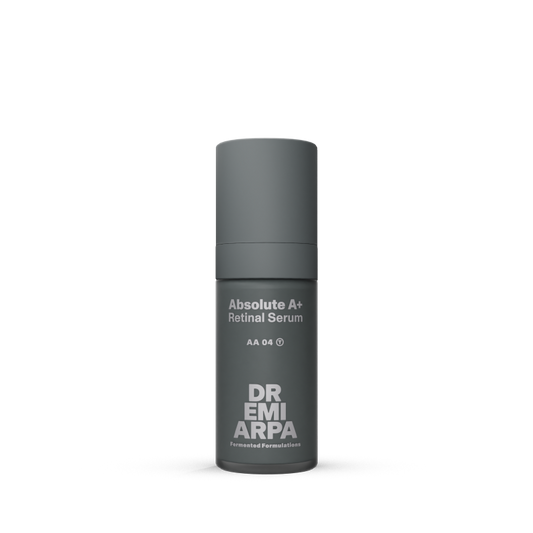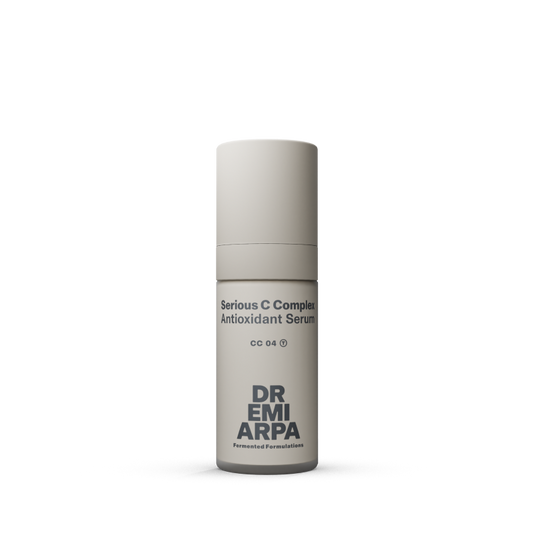

"An intact skin barrier is the basis of healthy skin. Ferments support the skin microbiome in so many ways and so effectively - which is why they are indispensable active ingredients in my skincare line."


WHY FERMENTS?
While working in the outpatient wound clinic at the University Medical Center Hamburg-Eppendorf, Dr. Emi Arpa was looking for complementary treatment methods to conventional wound care. She first came across ferments as a potential active ingredient in 2017 and began her research into current data on their positive influence on skin health.


WHAT IS FERMENTATION?
Fermentation is a bioprocess for food that has been practised since the dawn of civilization. Fermented products such as tofu, tempeh, natto, bread, kefir and cheese have been an integral part of the diet in many cultures for thousands of years and are valued for their good digestibility.
Bioprocesses are generally defined as specific biochemical reactions aimed at producing desired components such as fatty acids, polysaccharides, vitamins, bacteriocins, enzymes and peptides. Fermentation reactions are carried out by living cells or their components.


ADVANTAGES OF FERMENTS
The benefits of fermented active ingredients for the skin can be attributed to various factors. During fermentation, the raw materials used (e.g. soybeans) are broken down into smaller molecules by microorganisms. This increases the bioavailability of the nutrients in the fermented end product. Fermentation therefore releases "good molecules" which can be better absorbed by your skin.
Fermentation improves bioavailability, allowing the molecules to act more effectively. Bioavailability indicates to what extent, within what period of time and at what location in the body a medicinal or cosmetic ingredient develops its effect. High bioavailability means that the body can easily absorb the substance, while low bioavailability makes absorption more difficult.
Healthy skin is your protective shield against external influences such as sunlight or pathogens. Healthy skin cells ensure a natural balance and radiant, naturally beautiful skin. From increasing skin hydration to improving skin redness, certain ferments can support your skin health in a variety of ways.
Postbiotics are metabolic products of intentionally inactivated microbial cells that have been shown to contribute to positive health benefits. Postbiotic ingredients include fatty acids, polysaccharides, vitamins, bacteriocins, enzymes and peptides, which are also suitable for sensitive skin.
FERMENTS IN THE DR. EMI ARPA SKINCARE
It all comes down to quality and concentration: DR. EMI ARPA Skin relies on high-quality ferments of the species Bifidobacterium longum, Lactobacillus pentosus, Lactococcus lactis and Bacillus subtilis. The ferments obtained from these are listed in the list of ingredients
as Bifida Ferment Lysate, Lactobacillus Ferment Lysate, Lactococcus Ferment Lysate and Bacillus Ferment . These postbiotics can have a variety of positive effects on your skin health:
Visibly improves redness and irritation, reduces inflammatory reactions, strengthens the resistance of the skin and skin barrier, reduces oxidative stress and inflammatory irritation, increases the production and activity of barrier genes, molecules and peptides in the skin cells, improves skin moisturization.
Strengthens the skin barrier and functions, increases skin hydration, reduces transepidermal water loss and supports skin regeneration.
Improves skin hydration, stabilizes the skin's pH value and protects against oxidative stress.
Improves and accelerates wound healing.
MORE SKINCARE HEROES: PRE- & POSTBIOTICS
In addition to the postbiotic ferments, our products contain so-called prebiotics, which serve as food for the skin's microbiome. The prebiotics include the ingredients alpha-glucan oligosaccharides and inulin.
Together with other selected ingredients, pre- and postbiotics support a strengthened, healthy skin barrier. An intact skin barrier is able to retain moisture and protect the skin from external influences such as dirt, microorganisms and free radicals.


Discover our bestsellers

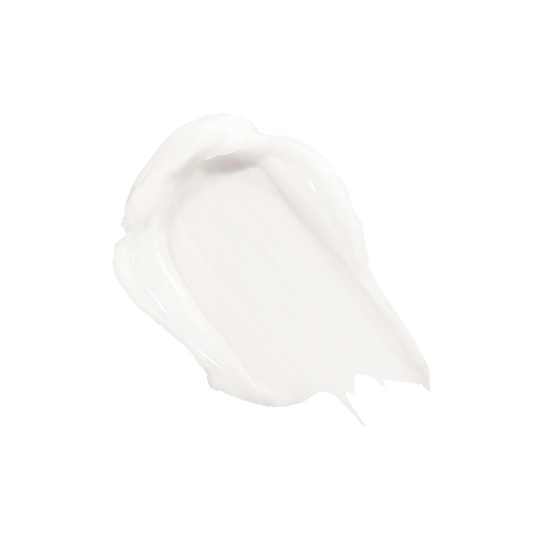
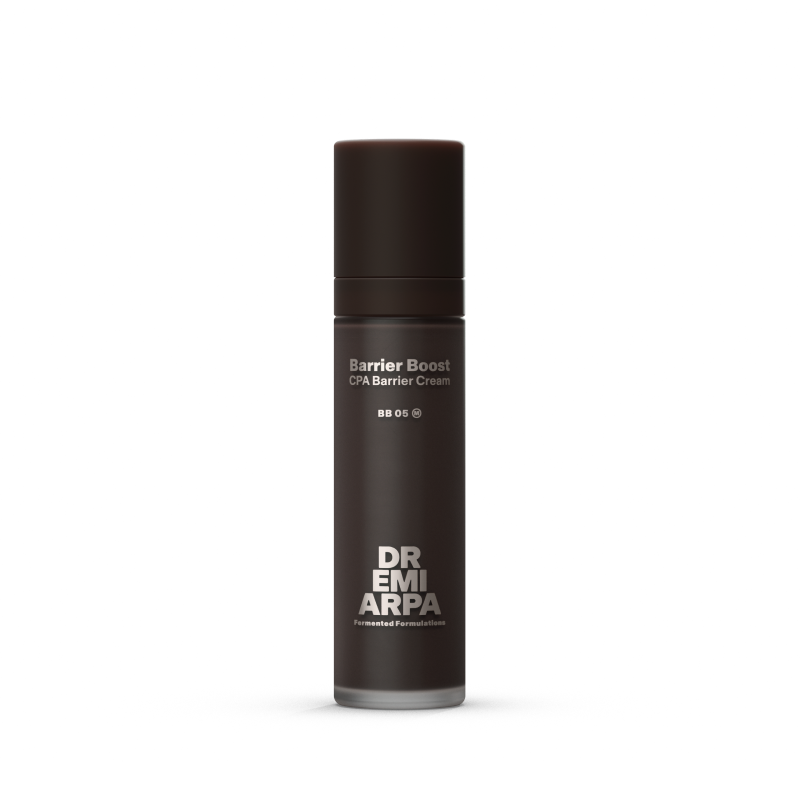
Barrier Boost+

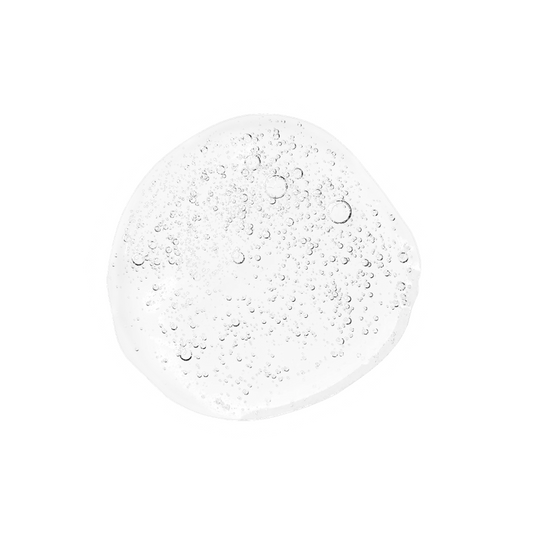
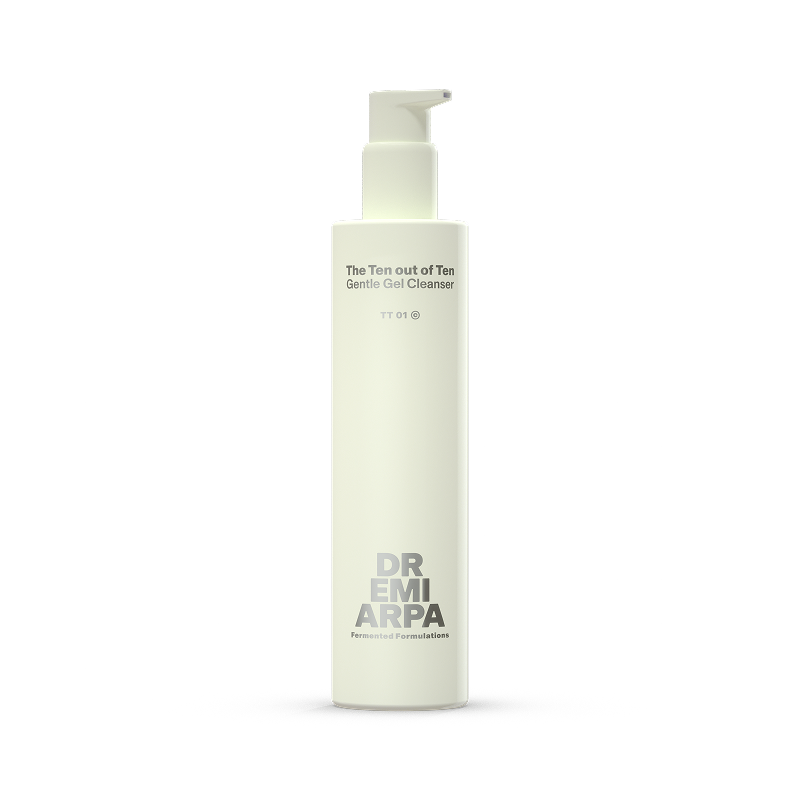
The Ten out of Ten