• Skin care
  • Products

Retinal: The Well-Aging Upgrade for Your Skin Health

Everyone has heard of retinol, but have you heard of retinal? This active ingredient is considered a secret weapon for healthy aging. It can support the skin’s natural renewal process and promote collagen synthesis. This article will tell you all about it. 

Contents

WHAT IS RETINAL, AND WHAT MAKES THIS ACTIVE INGREDIENT SO SPECIAL?

Retinal, Retinol, and Retinoids: What’s the Difference? Retinoids are among the most extensively studied active ingredients in the field of well-aging and represent an entire family of vitamin A derivatives. 

Imagine the effect of vitamin A as a chain of conversions, at the end of which lies the goal that your skin cells recognize: active retinoic acid. While the well-known classic, retinol, must go through two laborious steps to reach this goal, retinal is, simply put, the shortcut—as a direct precursor to active retinoic acid, it is just one step away from the finish line. Since this conversion step occurs much more quickly, retinal is also available faster than retinol. 

Note: The fewer conversion steps required, the faster the result and the better the effect can be. 

That is why retinal is considered the more effective form of vitamin A compared to retinol. Even in lower concentrations, it can help visibly improve the appearance of the skin. In practice, this can result in a refined skin texture, a smoother-looking complexion, and a more even skin tone. Retinal can reduce signs of aging such as fine lines and wrinkles, promote skin elasticity, and help improve skin texture. It is also frequently used for skin prone to blemishes and acne. 

Skincare with retinal—spelled with an “a” instead of an “o”—is therefore ideal if you want to lay the foundation for healthy aging. Important: Results typically develop gradually and depend on consistent use and your individual skin type. Visible changes take patience, as retinal is an active ingredient for long-term skincare, not for immediate results. We’ll show you how to find your personal level.

<p>WAS IST RETINAL UND WAS MACHT DEN WIRKSTOFF SO BESONDERS?</p>

YOUR ROUTINE: TREAT YOUR SKIN RIGHT

When it comes to application and routine, it’s generally recommended to incorporate retinal into your evening regimen. It’s most effective at supporting the skin’s natural regeneration process overnight. An absolute must for the next morning: sunscreen with a high SPF, as retinoids increase the skin’s sensitivity to light. They support skin renewal (shedding of old skin cells), which is why “younger” skin cells are exposed sooner. As a result, the skin may react more sensitively to UV radiation, for example through redness, irritation, or changes in pigmentation. 

Here's what your ideal layering looks like:

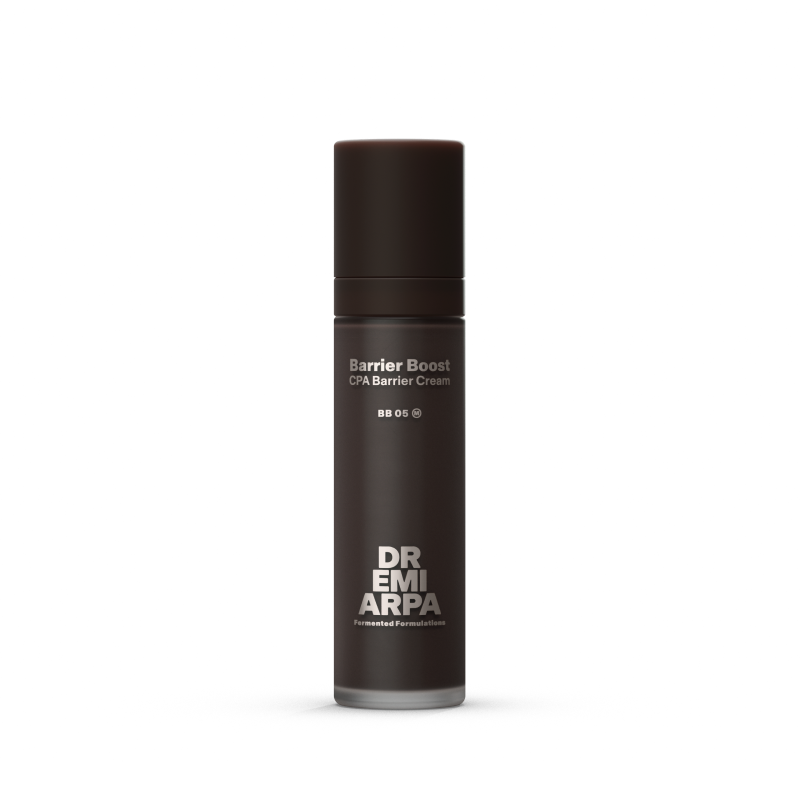
As part of your evening routine, apply your Absolute A or A+ to cleansed skin; if you like, you can also use the moisturizing and soothing Hydra Hero Milky Drops beforehand. Since the skin requires more care in winter or while getting used to active ingredients, ideally combine the serum with the Barrier Boost+ Rich Cream. It forms a protective cocoon over the skin, strengthening the skin barrier with ceramides and peptides.

THE GOLDEN RULES: DO’S AND DON’TS WHEN USING RETINAL 

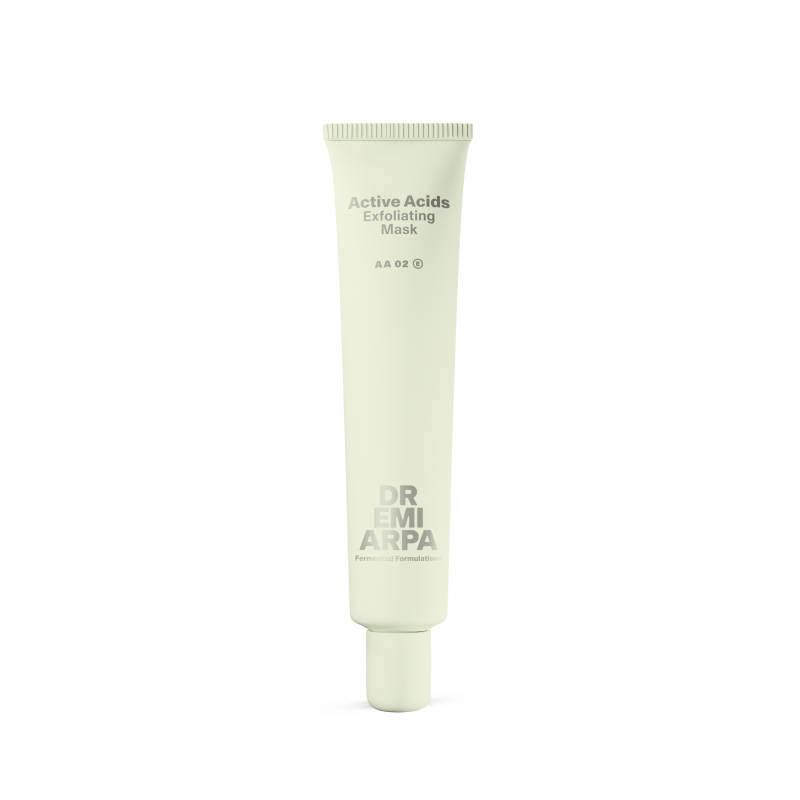
For the best results without any stress, there are a few things you should keep in mind. Start slowly—once to three times a week is plenty to begin with. “Listen to your skin” is the motto: If you experience redness, reduce the frequency. Also, avoid using Retinal on the same evening as exfoliating ingredients or acids, such as those found in the Pore Perfection Purifying Mask or the Active Acids Exfoliating Mask, to prevent skin irritation. Retinoids should generally be avoided during pregnancy and while breastfeeding.

KNOW YOUR LEVEL: ABSOLUTE A VS. ABSOLUTE A+

Retinol is an effective active ingredient, but tolerance to it varies from person to person. It is especially important to introduce it gradually, particularly for those with sensitive skin or when first starting to use it.

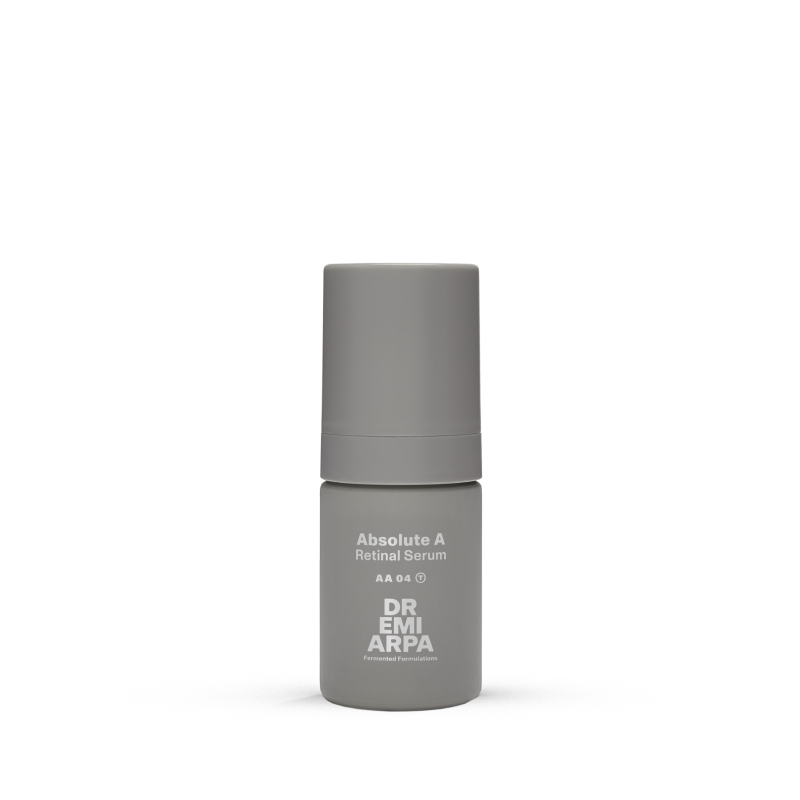
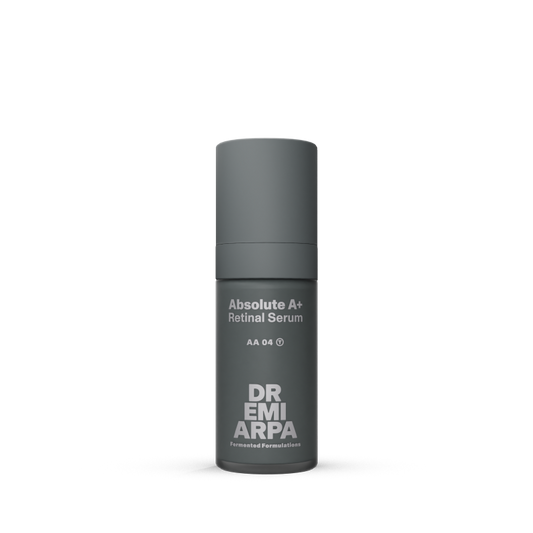
At DR EMI ARPA SKIN, you’ll find two different retinal serums, allowing you to tailor your routine perfectly to your needs. The key difference between Absolute A Retinal Serum (0.05%) and Absolute A+ Retinal Serum (0.1%) lies in the concentration of retinal: 

  • Absolute A (0.05% retinal): Ideal for those new to retinal and users with sensitive skin. It is recommended to start with a lower frequency of use, such as 1–2 times a week in the evening. Those who tolerate the concentration well can gradually reduce the application frequency and/or, after finishing Absolute A, increase the concentration to 0.1% by switching to Absolute A+ Retinal Serum.
  • Absolute A+ (0.1% Retinol): Ideal for advanced users. This higher-concentration serum can help improve hyperpigmentation and reduce visible signs of aging.

PERFORMANCE THROUGH ENCAPSULATION

To ensure that retinal remains stable and can deliver its full benefits, we use an innovative liposome encapsulation system. Retinal is naturally sensitive to light and air. The capsule protects the active ingredient from oxidation and helps preserve its stability and efficacy—for targeted release onto the skin.

KEY TAKEAWAYS 

Retinoids are among the most extensively studied active ingredients in skincare. However, it’s not just the choice of active ingredient that matters—it’s also about proper application and how they’re combined within your routine. Retinal is the ultimate upgrade for your well-aging routine, as it’s a direct precursor to retinoic acid and can be significantly more effective than traditional retinol. To ensure that retinal remains stable and can unleash its full power, we use an innovative liposome encapsulation in our Absolute A and Absolute A+ serums. Whether you start with 0.05% retinal or take your skin to the next level with 0.1%: Retinal promotes natural skin regeneration and collagen synthesis, resulting in a refined, smoother complexion. Key to your success is smart layering in your evening routine—always in combination with a product like Barrier Boost+ Rich Cream and the absolute must-have for the next morning: SPF 50.

Dreno B, Fischer TC, Perosino E, Poli F, Viera MS, Rendon MI. (2015). Expert opinion: Efficacy of retinaldehyde in acne vulgaris. Dermatology.

Fisher GJ, Datta SC, Talwar HS, Wang ZQ, Varani J, Kang S, Voorhees JJ. (1996). Molecular basis of sun-induced premature skin aging and retinoid antagonism. Nature, 379(6563), 335–339.

Kafi R, Kwak HS, Schumacher WE, Cho S, Hanft VN, Hamilton TA, King AL, Neal JD, Varani J, Kang S, Voorhees JJ, Fisher GJ. (2007). Improvement of naturally aged skin with vitamin A (retinol). Archives of Dermatology, 143(5), 606–612.

Milosheska D, Roškar R. (2022). Use of retinoids in topical anti-aging treatments: A focused review of clinical evidence for conventional and nanoformulations. Advances in Therapy, 39, 5351–5375.

Mukherjee S, Date A, Patravale V, Korting HC, Roeder A, Weindl G. (2006). Retinoids in the treatment of skin aging: An overview of clinical efficacy and safety. Clinical Interventions in Aging, 1(4), 327–348.

Riahi RR, Bush AE, Cohen PR. (2016). Topical retinoids: Therapeutic mechanisms in the treatment of photodamaged skin. American Journal of Clinical Dermatology, 17(3), 265–276.

Sorg O, Kuenzli S, Kaya G, Saurat JH. (2006). Proposed mechanisms of action for retinoid derivatives in the skin. Dermato-Endocrinology.

Zasada M, Budzisz E. (2019). Retinoids: Active molecules influencing skin structure formation in cosmetic and dermatological treatments. Advances in Dermatology and Allergology, 36(4), 392–397.

Abed K, Foucher A, Bernard D, Tancrède-Bohin E, Cavusoglu N. (2023). A one-year longitudinal study of the stratum corneum proteome in human skin treated with retinol and all-trans-retinoic acid. Scientific Reports, 13, 11196.

Mambwe B, Mellody KT. (2024). Cosmetic retinoid use in photoaged skin: A review of the compounds and their mechanisms of action. International Journal of Cosmetic Science, 47, 45–57.

Wang X, et al. (2024). The next generation of skin care: Transforming retinoid therapeutics. Cells, 14(21), 1650.

Zhang Y, et al. (2024). Efficacy and safety of a novel anhydrous 0.1% retinal-based formulation in photoaging. Cosmetics, 12(6), 235.

FAQ

Retinol is sensitive to light and oxygen. It is therefore advisable to use a product in a sealed container, ideally in a pump dispenser. Additionally, since it is an active ingredient that supports skin renewal, skin purging may occur at the start of use. Due to increased cell turnover, existing, deeper impurities are transported to the surface more quickly. This phase may be visible for a short time, but in many cases it is a normal adaptation process for the skin. 

While retinol requires two conversion steps in the skin to become its active form, retinal is just one step away. For this reason, retinal is often described as an effective and well-tolerated option among retinoids. 

The rule here is: slow and steady wins the race! Ideally, start by using it 1 to 2 times a week as part of your evening routine. If your skin tolerates it well, you can gradually increase the frequency. 

There is no set age limit, but the first signs of aging typically begin to appear in one’s mid-20s. For many people, this is the ideal time to start using Retinal and Well-Aging.

Retinal is often better suited for sensitive skin than traditional retinol. However, a gradual introduction is essential: Start with the lower concentration of 0.05% retinal (Absolute A) just 1 to 2 times a week. To further protect the skin barrier, we recommend combining it with soothing, moisturizing products. Applying Hydra Hero Milky Drops before the retinal serum serves as a hydrating base that soothes the skin. During the acclimation phase, you can also use the “sandwich method,” in which the retinal is layered between two layers of moisturizer to help improve tolerance.

Retinoids are associated with accelerated skin renewal, which can make the skin more sensitive to UV radiation. Daily sunscreen is therefore essential to protect the skin and effectively complement your skincare routine.

It is recommended that you do not combine Retinal with exfoliating acids such as AHAs, BHAs, or PHAs, or with vitamin C, as this can put additional strain on the skin. Instead, it is recommended that you use them on different days.

It is recommended that you avoid using retinoids during pregnancy. If you are unsure, please consult your doctor before use.