• Skin care

Build Your Skincare Routine the Right Way

In this guide, you’ll learn everything about the right skincare routine, why patience is your best friend here, and how you can support your skin barrier without risking irritation. Let’s build your routine right!

Good skin takes time. Especially when introducing new skincare products or active ingredients into your routine, less is more. Our skin loves a consistent skincare routine, but it needs time to adjust. It doesn’t matter how high-quality the products are or how well-thought-out your new skincare regimen is: introducing multiple active ingredients at once can overwhelm the skin. The result is irritation, breakouts, or even what’s known as skin purging.

Contents

THE DAILY SKINCARE ROUTINE

What skincare products do you really need? Skincare doesn’t require a lot of products—just the right ones: a mild yet effective cleanser, a hydrating toner, and a moisturizer with carefully selected ingredients. The basic daily skincare routine consists of the following three steps: cleansing (CLEANSE), toning (PREPARE), and moisturizing (MOISTURIZE). You can structure your evening skincare routine in the following order: 

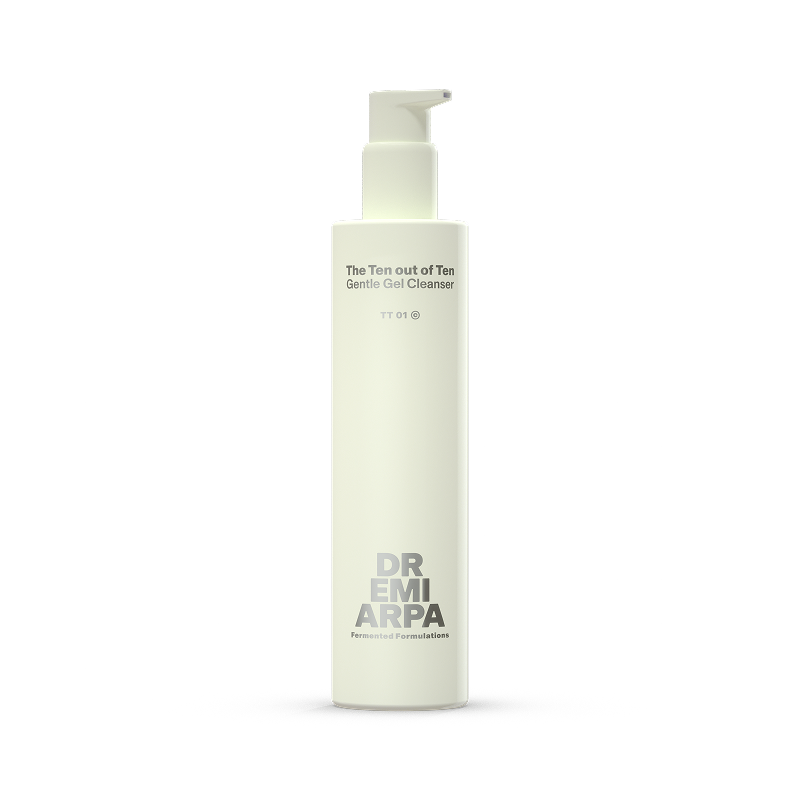
  • CLEANSE – The Ten out of Ten Gentle Gel Cleanser is a mild gel cleanser that gently yet effectively removes makeup, excess oil, sunscreen, and environmental impurities from the skin.
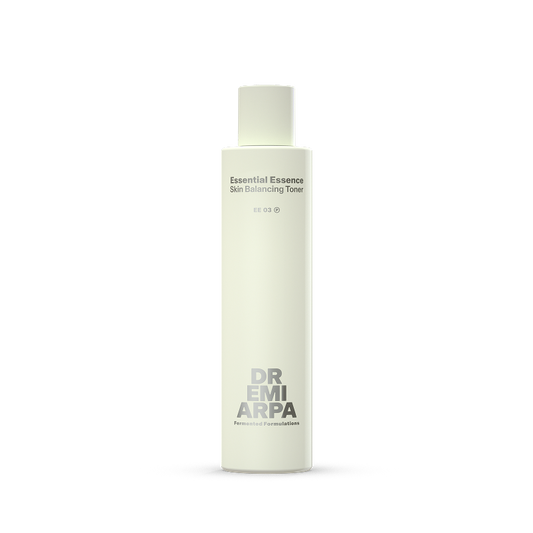
  • PREPARE – The Essential Essence Skin Balancing Toner optimally prepares the skin for subsequent skincare treatments with moisturizing, soothing ingredients. It helps the skin regain its natural balance after cleansing.
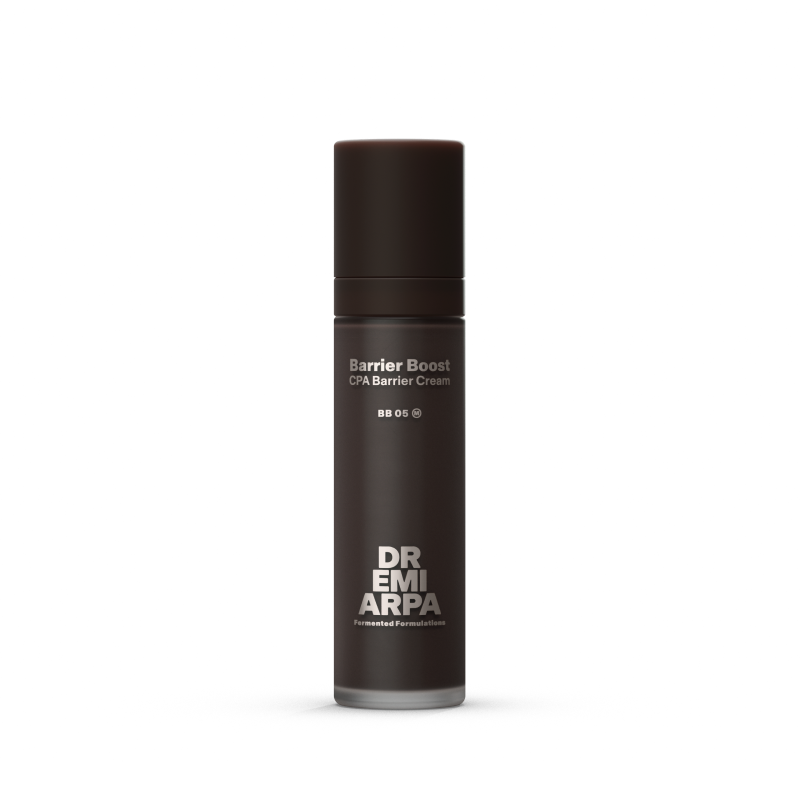
  • MOISTURIZE – Finish with a moisturizer that strengthens the skin barrier, such as Barrier Boost CPA Barrier Cream or Barrier Boost+ Rich Cream. 

In the morning, this skincare routine can be adapted slightly. Those with dry skin don’t necessarily need a cleanser—lukewarm water may be sufficient in the morning. Afterward, apply toner again, followed by moisturizer. Essential in the morning, no matter the season: Apply sunscreen after the moisturizer to protect the skin from UV rays and prevent premature, light-induced skin aging. Many also ask: What does a skincare routine for men entail? The answer: Exactly the same foundation, which is why all products at DR EMI ARPA SKIN are unisex. Skin needs are individual, but an intact skin barrier as the basis for healthy skin is universal. But anyone who, for example, undergoes a professional skin analysis will quickly learn: Supporting and strengthening the skin barrier over the long term should be the most important goal of any routine.

PRODUCT SPOTLIGHT: HYDRA HERO MILKY DROPS

  • 8% prebiotics and postbiotics support the skin microbiome and have a soothing effect.
  • 3% vegan kefir ferment strengthens the skin barrier, helps reduce redness, and supports skin elasticity.
  • 5% panthenol moisturizes , soothes, and promotes skin regeneration.
  • Ceramides strengthen the skin barrier.
  • Polyglutamine and hyaluronic acid have moisturizing and plumping effects .
  • Beta-glucan moisturizes the skin, strengthens the skin barrier, and promotes skin regeneration.

Deep hydration, drop by drop.

HOW TO: PROPERLY INCORPORATE ACTIVE INGREDIENTS

Your daily routine of cleansing, moisturizing, and UV protection is the foundation that always holds up. But how do you incorporate Absolute A/A+ or Active Acids without overwhelming your skin? It’s simple: stick to your basic routine and gradually introduce the actives according to this plan.

<p>HOW TO: WIRKSTOFFE RICHTIG INTEGRIEREN</p>

IMPORTANT TIPS

  • Don’t forget your SPF: Every morning—and especially after using retinol or exfoliating acids—you should consistently apply sunscreen the following day.
  • Gradually incorporate new products into your routine to ensure they are well-tolerated by your skin: For example, start by using them only every other day or every three days, and increase the frequency only if they are well-tolerated.
  • Follow the instructions for use: The recommendations on each product provide important guidance for safe and effective use.

SKIN TIMELINE: WHEN DO PRODUCTS BEGIN TO WORK?

A common reason for giving up on a new routine is losing patience too soon. But how long does it actually take for the skin to regenerate, or for a new skincare product to take effect?

From a scientific perspective, the skin undergoes a natural renewal cycle that lasts about 28 days on average. In more mature skin, this process can take as long as 40 to 60 days. Since many active ingredients support these processes, it is usually best to assess their effectiveness only after one or two complete skin cycles.

  • Immediate effects: Moisturizing products such as toners or moisturizers can make the skin feel better and appear smoother—at least visually—immediately after application, thanks to hydration.
  • Medium-term effects: With active ingredients that affect the skin's surface (such as AHAs, BHAs, or vitamin C), initial changes often become apparent after 2 to 4 weeks, contributing to a more even skin tone and a refined skin texture. 
  • Long-term effects: Active ingredients that support the skin’s structure and help stabilize the skin barrier usually only reach their full potential when used consistently over several weeks or months. 

Therefore, continuity is key. Stopping treatment prematurely or switching products frequently disrupts the skin’s adaptation phase and can affect the results.

DEEP DIVE: WHAT IS SKIN PURGING?

Skin purging refers to a temporary initial worsening of the skin’s condition that often occurs after introducing new skincare products. Skin purging can occur particularly with active ingredients such as retinoids, AHAs, or BHAs, which support skin renewal. Due to increased cell turnover, existing, deeper impurities are transported to the surface more quickly. This phase may be visible for a short time, but in many cases it is a normal adaptation process for the skin. 

Certain products can cause specific reactions:

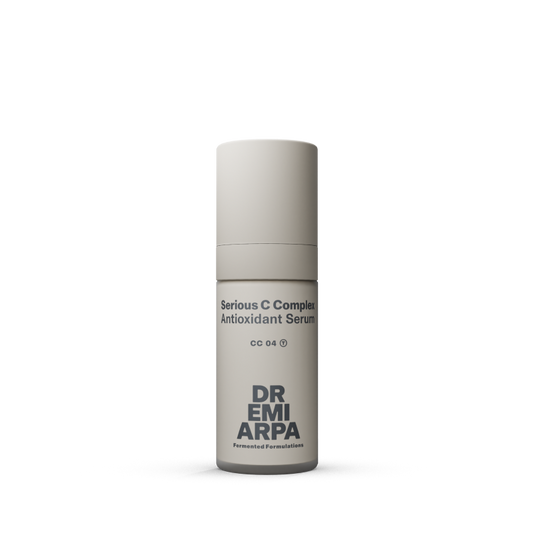
  • Vitamin C: Pure ascorbic acid (VitC) can initially cause irritation in people with sensitive skin. The Serious C Complex Antioxidant Serum contains more stable vitamin C derivatives, which are generally better tolerated.
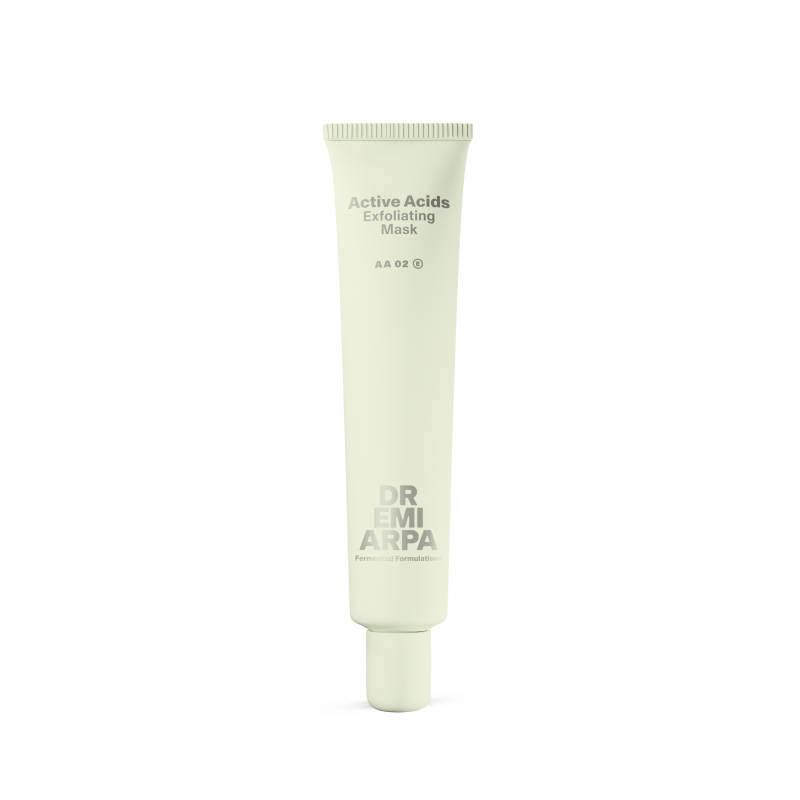
  • Acids (AHA/BHA): Exfoliating ingredients such as AHA or BHA can support skin renewal and, in some cases, lead to a temporary worsening of the skin’s appearance (“purging”). The Active Acids Exfoliating Solution combines AHA and BHA and may cause this effect in rare cases.
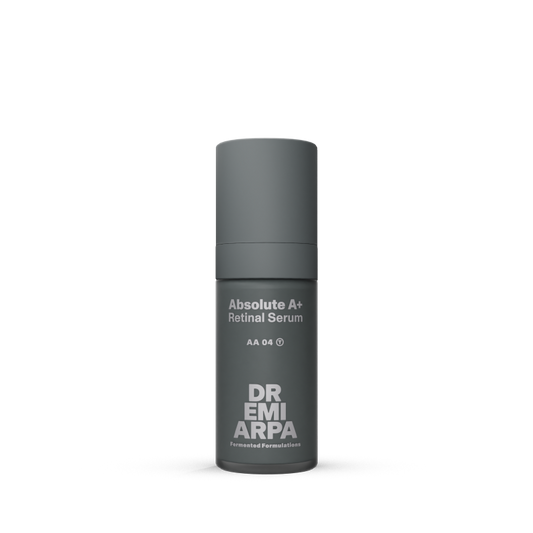
  • Retinoids: The Retinal Serums Absolute A and Absolute A+ contain retinal, which supports the skin’s natural renewal process and may cause a purging effect, especially at the start of use.
  • Niacinamide & azelaic acid: These active ingredients are generally well-tolerated, but may cause temporary breakouts or skin reactions in people with very sensitive skin or when used in higher concentrations.

SPOTTING THE DIFFERENCES: PURGING, BREAKOUTS, AND ALLERGIES

It can be difficult to tell the difference between skin purging and breakouts. Here are the key takeaways:

  • Duration: Skin purging is usually temporary and can last a few weeks. Regular breakouts can occur independently of this and may persist for longer.
  • Location: Skin purging often occurs in areas where blemishes were previously present. Breakouts can occur anywhere.
  • Timing: Purging typically begins shortly after the introduction of a new product, especially with active ingredients that promote skin renewal

It is important to distinguish this from an intolerance: If the skin reacts with itching, redness, swelling, and a burning sensation, it is more likely an intolerance than purging. In this case, you should stop using the product. If the skin’s condition does not improve over several weeks or worsens, it is advisable to consult a dermatologist.

KEY TAKEAWAYS 

In summary, it can be said that an intact skin barrier is the result of a consistent basic skincare routine. Potent active ingredients such as retinoids, hydroxy acids, or vitamin C should always be introduced gradually (“tapered in”) to improve skin tolerance and allow the skin to slowly adjust to their use. If skin purging occurs during this process, it is usually a temporary initial worsening in which deep-seated impurities rise to the surface in rapid succession—a process that often lasts several weeks.

Since the skin undergoes a natural renewal cycle that lasts an average of 28 days, patience is key: While moisturizing effects may be noticeable right away, the skin often requires several weeks to months of consistent use to fully reveal long-term improvements in skin texture and resilience. Stick with your base products, increase the frequency of your active treatments only if your skin tolerates them well, and give your skin the time it needs to adjust to new products.

Draelos, Z. D. (2018). The science behind skin care: Moisturizers. J. Cosmet. Dermatol., 17(2), 138–144.

Fluhr JW, Darlenski R, Surber C. (2008). Glycerol and the skin: A holistic approach to its origin and functions. Br J Dermatol., 159(1), 23–34.

Kafi R, Kwak HS, Schumacher WE, Cho S, Hanft VN, Hamilton TA, King AL, Neal JD, Varani J, Fisher GJ, Voorhees JJ. (2007). Improvement of naturally aged skin with vitamin A (retinol). Arch Dermatol., 143(5), 606–612.

Kligman AM. (1998). The role of retinoids in the treatment of acne. J Am Acad Dermatol., 39(2 Pt 3), pp. 92–95.

Lodén M. (2003). The role of topical emollients and moisturizers in the treatment of dry skin barrier disorders. Am J Clin Dermatol., 4(11), 771–788.

Papakonstantinou E, Roth M, Karakiulakis G. (2012). Hyaluronic acid: A key molecule in skin aging. Dermatoendocrinology, 4(3), 253–258.

Proksch E, Brandner JM, Jensen JM. (2008). The skin: An indispensable barrier. Exp Dermatol., 17(12), 1063–1072.

Rhein LD, Simion FA, Hill RL, Cagan RH, Mattai J, Maibach HI. (1987). The effect of surfactants on the skin barrier function. J Invest Dermatol., 89(6), 548–552.

Rinnerthaler M, Bischof J, Streubel MK, Trost A, Richter K. (2015). Oxidative stress in aging human skin. Biomolecules, 5(2), 545–589.

Thiboutot D, Gollnick H, Bettoli V, Dréno B, Kang S, Leyden JJ, Shalita AR. (2009). New insights into the management of acne: An update from the Global Alliance. J Am Acad Dermatol., 60(5 Suppl), pp. S1–S50.

van Zuuren EJ, Fedorowicz Z, Carter B. (2017). Systematic review of azelaic acid in acne and rosacea. J Dermatolog Treat., 28(6), 506–513.

Wiegand C, Hipler UC. (2013). Beta-glucans: Multifunctional biologically active compounds in skin care. J Cosmet Dermatol., 12(2), 99–107.

Zasada M, Budzisz E. (2019). Retinoids: Active molecules influencing skin structure formation in cosmetic and dermatological treatments. Postepy Dermatol Alergol., 36(4), 392–397.

FAQ

Start by using it once a week in the evening. If your skin tolerates it well, you can gradually increase the frequency to every other evening and eventually to daily use.

After a chemical peel, the skin barrier is more sensitive. Use soothing, barrier-strengthening products like Barrier Boost+ Rich Cream or Hydra Hero Milky Drops, and avoid using other active ingredients, such as retinal, in the same step of your skincare routine.

Avoid using multiple potentially irritating ingredients, such as strong exfoliating acids or retinoids, in a single step. This can overwhelm the skin barrier and lead to irritation.

That depends on the formulation. Our Active Acids Exfoliating Solution, for example, is used as a treatment—but always follow the recommended application time listed on the packaging for each product to avoid irritation.

Retinal can initially feel irritating and may cause dryness or redness if applied too quickly. That’s why it’s important to introduce it gradually. Compared to retinol, retinal is converted into its active form more efficiently in the skin and can therefore take effect more quickly; however, when used correctly, it is generally well tolerated.

The rule here is: back to basics. Focus on cleansing, moisturizing, and SPF. Active ingredients should only be introduced once the skin barrier is stable.

This is actually a good idea. In winter, dry heated air strips moisture from the skin (keyword: transepidermal water loss). In such cases, some lightweight formulas alone are no longer sufficient. It’s worth supporting the skin barrier by switching to richer textures like the Barrier Boost+ Rich Cream, while in summer it’s better to opt for lightweight fluids.

Does this sound familiar? You apply your cream, and suddenly little beads form on your face. This is called pilling. It usually happens when silicone- or oil-based products don’t mix well with water-based serums, or when you use too much product without letting it absorb.