• Skin care
  • Ingredients

Azelaic Acid: Effects, Uses, and Benefits for Your Skin

What makes azelaic acid so versatile—and what skin types is it really suitable for? This article explains the scientifically proven effects, uses, and benefits of this active ingredient.

Are you looking for the right skincare for day and night? With the two Barrier Boost products, you can specifically strengthen your skin barrier. Barrier Boost is a light day cream with azelaic acid, while Barrier Boost+ is a rich night cream. Click here to go directly to the shop:

Contents

WHAT IS AZELAIC ACID AND HOW DOES IT WORK?

Azelaic acid – a popular active ingredient in dermatology due to its wide range of therapeutic applications. And the global market for products containing azelaic acid is growing steadily, driven by increasing demand for effective treatments for acne, rosacea, and hyperpigmentation. Azelaic acid has a wide range of effects. It can have antioxidant, keratolytic, and anti-inflammatory effects, as well as helping to even out skin tone in cases of redness. It is precisely this versatility that makes the active ingredient so popular. If you are wondering what azelaic acid is or how it affects the skin, you will find a complete overview here – scientifically sound and ideal for your daily routine.

Azelaic acid belongs to the dicarboxylic acids and occurs naturally in wheat, barley, sunflower oil, and rye. However, a synthetic variant can also be used in skin care products. The effect of azelaic acid on the skin is based on several properties: 

  1. It can inhibit the release of reactive oxygen species (ROS), thereby reducing oxidative stress in the skin. 
  2. Azelaic acid can help combat pimples, as it can inhibit the growth of the bacterium Cutibacterium acnes, which is found in increased numbers on the skin in cases of pimples and acne. It has a keratolytic effect by regulating excessive keratinization of the skin.
  3. It can have anti-inflammatory and anti-melanogenic effects. Azelaic acid can inhibit melanin formation through several mechanisms, such as by inhibiting tyrosinase and regulating overactive melanocytes. It can therefore be used to treat hyperpigmentation such as melasma and post-inflammatory hyperpigmentation (PIH). 
  4. Azelaic acid can modulate inflammatory signaling pathways and reduce the formation of pro-inflammatory cytokines, which supports its use in inflammatory skin conditions such as rosacea and acne. 

It is precisely this combination that makes it an active ingredient that can be used effectively on oily and blemished skin as well as sensitive skin and uneven complexions. Unlike many other acids, it does not make the skin more sensitive to light and can therefore be used daily if well tolerated.

Are you wondering what percentage of azelaic acid is appropriate? Concentrations of up to 10% can have effects that are particularly helpful for blemishes, especially if you have troubled skin. Higher concentrations of 15–20% are available on prescription and are used in dermatology for skin conditions such as acne and rosacea.

PRODUCT SPOTLIGHT: BARRIER BOOST CPA BARRIER CREAM

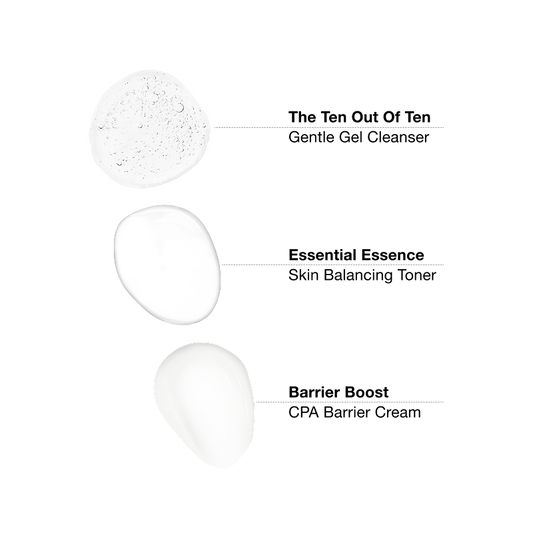
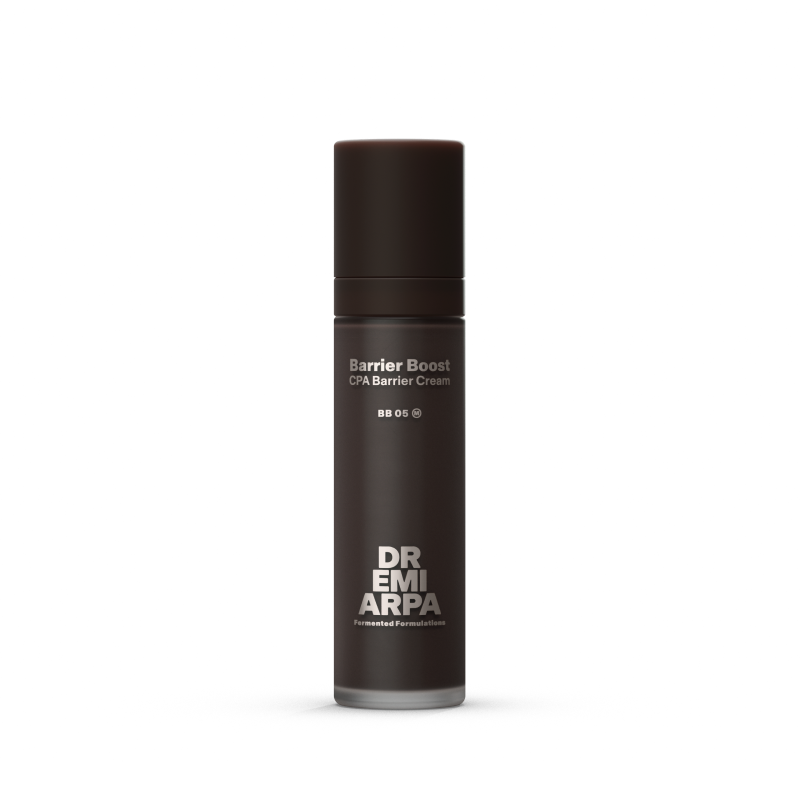
Barrier Boost CPA Barrier Cream is a moisturizer with azelaic acid for all skin types and a formula that has an antioxidant effect, strengthens the barrier, and keeps the skin supple. The cream combines ceramides, peptides, and azelaic acid ("C," "P," and "A"), is particularly suitable for reddened or blemished skin, and helps restore balance. This makes it the ideal daily care product for you if you want to gently integrate azelaic acid into your routine.

Barrier Boost CPA Barrier Cream 

  • 10% prebiotics and postbiotics support the skin microbiome and have a soothing effect.
  • Azelaic acid has an antioxidant effect.
  • Peptides support collagen synthesis.
  • Ceramides strengthen the skin barrier and reduce moisture loss.
  • Ectoin has a protective and calming effect.

Take care of your skin – boost your barrier.

<p>PRODUKT-SPOTLIGHT: BARRIER BOOST CPA BARRIER CREAM </p>

AZELAIC ACID FOR VARIOUS SKIN NEEDS

Azelaic acid is particularly suitable for blemished or acne-prone skin because it can soothe, reduce the appearance of pores, and inhibit the growth of acne-related bacteria. Compared to salicylic acid or retinoids, it is gentler on the skin, and azelaic acid also has a positive effect on pigmentation spots, acne scars, and melasma. 

For skin prone to rosacea, anti-inflammatory and soothing effects play a key role. Azelaic acid can reduce redness, support the skin barrier, and regulate hyperkeratosis (excessive thickening of the skin), thereby helping to combat blemishes and uneven skin tone. 

Does azelaic acid also help against wrinkles? No, not directly, but in the context of well-aging, it can be useful because it offers antioxidant protection, has anti-inflammatory properties, and can support cell renewal. This makes it an exciting active ingredient for anyone looking for a gentle supplement to retinoids and peptides.

APPLICATION: HOW TO INTEGRATE AZELAIC ACID INTO YOUR ROUTINE 

Azelaic acid can be easily integrated into your daily routine. It can be applied in the morning or evening, but if you have sensitive skin, it is recommended to start slowly and limit use to two to three evenings per week before increasing usage. This is because immediately after application, azelaic acid can cause a tingling or itching sensation (paresthesia) that lasts for around 10–20 minutes. During the day, it is essential to use sunscreen to protect the skin. 

There are several products containing azelaic acid, ranging from serums and creams to masks. They work very well in combination with niacinamide, ceramides, and peptides, while combinations with highly concentrated AHA/BHA or retinoids should be used with caution. Barrier Boost CPA Barrier Cream, for example, is a cream containing azelaic acid that strengthens the skin barrier and moisturizes the skin. 

WHY AZELAIC ACID IS A TRUE SKINCARE MULTITASKER

Azelaic acid is an active ingredient that addresses several needs at once—even in low concentrations. It is suitable for blemished skin, pigment spots, skin prone to rosacea, sensitive skin, and early signs of aging. The effect always depends on the concentration, which makes the active ingredient flexible in its application: even in low concentrations, azelaic acid can have antioxidant, clarifying, and anti-inflammatory effects. For skin conditions, concentrations of 15 percent or higher are medically necessary.


KEY TAKEAWAYS 

Azelaic acid is a versatile active ingredient that can help with a variety of skin concerns, from blemishes and pigmentation spots to redness and sensitivity. Even low concentrations have antioxidant effects, while higher concentrations can provide more intensive help with blemishes or pigmentation. With the right routine and daily sun protection, azelaic acid can contribute to a more balanced and even complexion in the long term.