
• Skin care
  • Ingredients

Ceramides – Building Blocks of the Skin

They’re small, but they have a big impact: ceramides are considered the building blocks of the skin barrier. They not only protect against external factors but also help the skin regenerate. If you want to take your skincare routine to the next level, you should choose products that contain ceramides. In this article, we’ll explain why.

Contents

WHAT ARE CERAMIDES?

Ceramides are a class of lipids that play a central role in the skin's protective barrier and health. Together with other lipids, such as fatty acids and cholesterol, they form the so-called multilamellar structure of the uppermost skin layer, the stratum corneum. This barrier protects the skin from moisture loss, environmental pollutants and microbial attacks. But what exactly are ceramides and what role do they play in our skin care?

Ceramides belong to the sphingolipid family and consist of a sphingosine base linked to various fatty acids. Due to their structural diversity, there are numerous types of ceramides, including ceramide NP, ceramide AP, ceramide EOP, ceramide AS and others. These ceramides each perform specific functions in the skin, particularly in strengthening and stabilizing the skin's protective barrier.

CERAMIDES AND THEIR EFFECT ON THE SKIN

Ceramides have an essential effect on the skin: they promote the formation of a strong skin barrier, bind moisture, and protect the skin from external influences. Ceramides make up over 50% of the skin's lipid structure and are indispensable for the function of the skin barrier. They act like a "mortar" that holds the skin cells (corneocytes) together. These structuring properties are crucial for the barrier function and the skin's ability to retain moisture. A lack of ceramides can lead to skin disorders in some circumstances. Skin care products containing ceramides can help to strengthen the skin barrier and maintain skin health.

<p>CERAMIDE UND IHRE WIRKUNG AUF DIE HAUT</p>

KEY FACTS ABOUT THE EFFECTS OF CERAMIDES ON THE SKIN

  1. Protection of the skin barrier
    Ceramides contribute to protecting the skin from the penetration of harmful substances, microorganisms, and allergens thanks to their dense arrangement in the lipid lamellae. Their orderly structure also reduces transepidermal water loss (TEWL), thereby preventing the skin from drying out.
  2. Moisture regulation
    The long chains ofsaturated fatty acids in ceramides bind water and ensure that the skin feels supple. A lack of ceramides can lead to dry, brittle skin and a compromised barrier function.
  3. Role in skin diseases
    Studies show that impaired ceramide production or composition may be linked to skin diseases such as atopic dermatitis, psoriasis, acne, and rosacea. In atopic dermatitis, for example, the ceramide content of the skin is often significantly reduced, which leads to a weakened skin barrier and can increase susceptibility to inflammation.
  4. Promoting regeneration
    Ceramides play a central role in the differentiation of skin cells (keratinocytes) and the formation of the skin barrier. They regulate cellular processes such as natural cell death (apoptosis) and cell division (proliferation) and help the skin to repair damage.
  5. Ceramides and their specific functions
    Certain ceramides have specific tasks. Ceramides NP (N-stearoyl-phytosphingosine) ensure a particularly dense lipid structure, while ceramides EOP (esterified ω-hydroxy ceramides) play a crucial role in the stability of the barrier by forming proteins such as involucrin.
  6. Well-aging effect
    Thanks to their ability to strengthen the skin barrier and retain moisture, ceramides can also counteract the formation of fine lines and wrinkles. Well-hydrated skin appears plumper and healthier. Ceramides are more than just lipids; they are active regulators of skin health. They strengthen the barrier, promote moisture retention, and can be used specifically in skin care to regenerate and protect dry or damaged skin. Products containing ceramides are an effective means of supporting the skin's natural functions, especially for sensitive, irritated, or aging skin.

WHY DOES THE SKIN LOSE CERAMIDES?

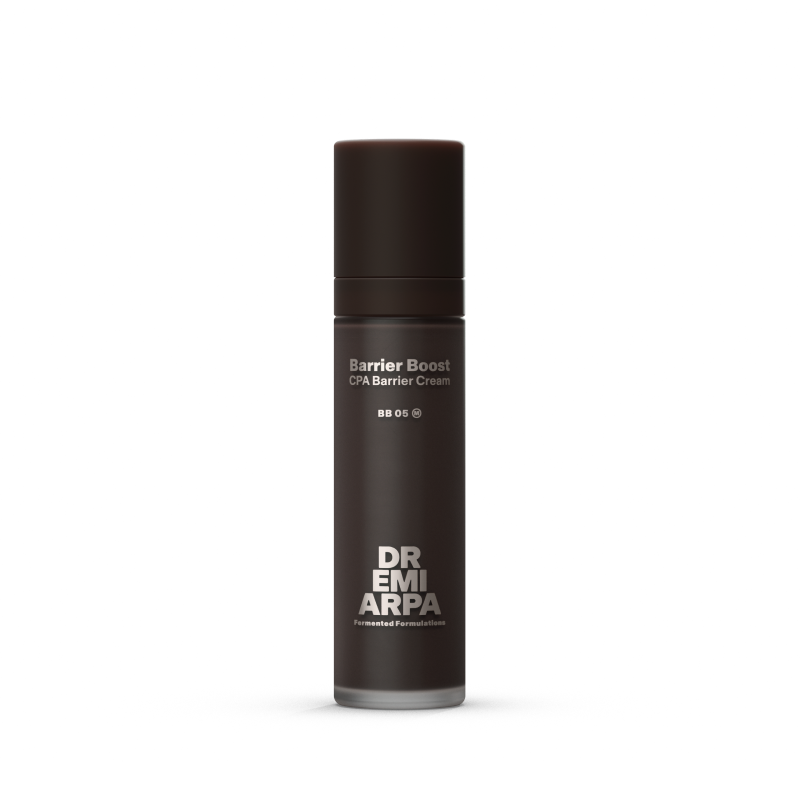
Ceramides are essential lipids that not only strengthen the skin barrier and retain moisture, but also actively contribute to skin regeneration and protection. They are particularly effective for dry, sensitive, or damaged skin, as they support the skin's natural functions. However, with age and due to external influences such as UV radiation, cold, or aggressive cleansing products, the ceramide content of the skin decreases. This weakens the barrier and can lead to dryness, sensitivity, or irritation. Face creams with ceramides, such as Barrier Boost CPA Barrier Cream, can specifically compensate for this loss and restore the skin's balance.

CERAMIDES IN SKIN CARE: WHICH PRODUCTS ARE SUITABLE?

Ceramides are frequently used in modern skin care as they can strengthen the skin barrier and make the skin feel supple. They have proven particularly effective:

  • Ceramide creams: Ideal for dry and sensitive skin types that need support for their barrier function.
  • Products with a ceramide complex: The human skin barrier consists of a mixture of different ceramides, fatty acids and cholesterol. A ceramide complex with several ceramides better mimics this natural composition and can therefore support the skin's barrier function more effectively.
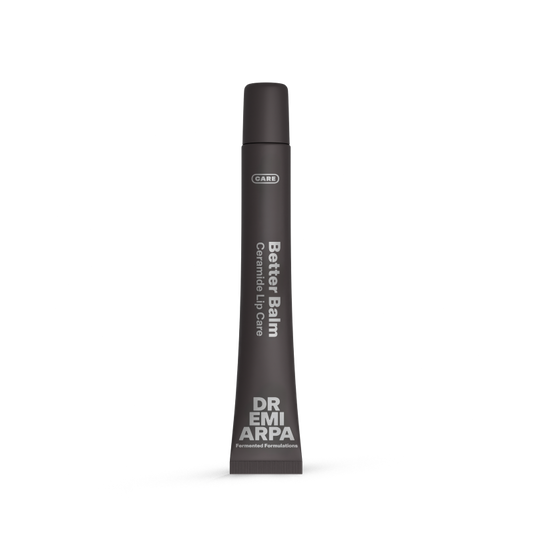
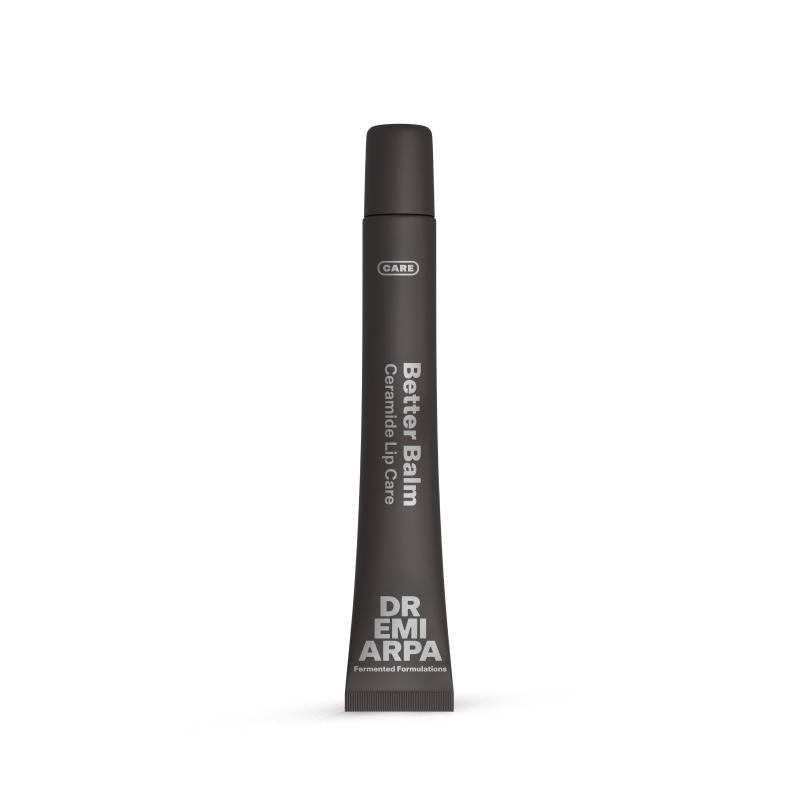
  • Lip care with ceramides: Protects the sensitive skin of the lips, strengthens the barrier, and moisturizes—ideal for dryness or harsh conditions.


    CERAMIDES AND THEIR IMPORTANCE IN SKIN DISEASES
    Studies show that people with skin diseases such as neurodermatitis or psoriasis often have a disturbed lipid barrier, which is associated with a lack of ceramides. In such cases, products with a balanced ceramide content can strengthen the natural skin barrier and alleviate symptoms such as dryness or redness.

KEY TAKEAWAYS
Ceramides are essential for resilient skin. They form the backbone of the skin’s protective barrier and play a key role in shielding the skin from external influences. Whether as part of a cream, serum, or lip balm—ceramides are an effective solution for a wide range of skin needs. By the way, products containing ceramides can be combined with many other products in your skincare routine, and there are no restrictions on how often you can use them.

FAQ

In cosmetics, ceramides are used as ingredients to support the skin barrier and retain moisture. They are contained in many products, including face creams, serums and lip care, and are particularly suitable for dry, sensitive or irritated skin.

There are different types of ceramides found in the skin, including ceramides NP, AP and EOP. Each of these variants fulfills specific tasks, such as strengthening the skin barrier, promoting moisture retention and protecting against external influences. These are usually combined in skin care products.

Yes, ceramides are suitable for all skin types, including oily or acne-prone skin. They help to strengthen the skin barrier and can help to rebalance the skin.

Products with a ceramide complex usually contain a combination of 3 or 5 ceramides. This variety supports the skin barrier more comprehensively by covering different skin needs.